Keeping performance in circulation

Creating new value from used materials

Every year, large volumes of EPS reach the end of their first use. At BEWI, close to 40 000 tonnes of this material are collected and recycled, returning valuable resources to the production cycle instead of leaving the value chain. The recycled material is used as feedstock for new products, supporting BEWI’s circular business model and reducing the need for virgin raw materials.
Building access to recycled materials

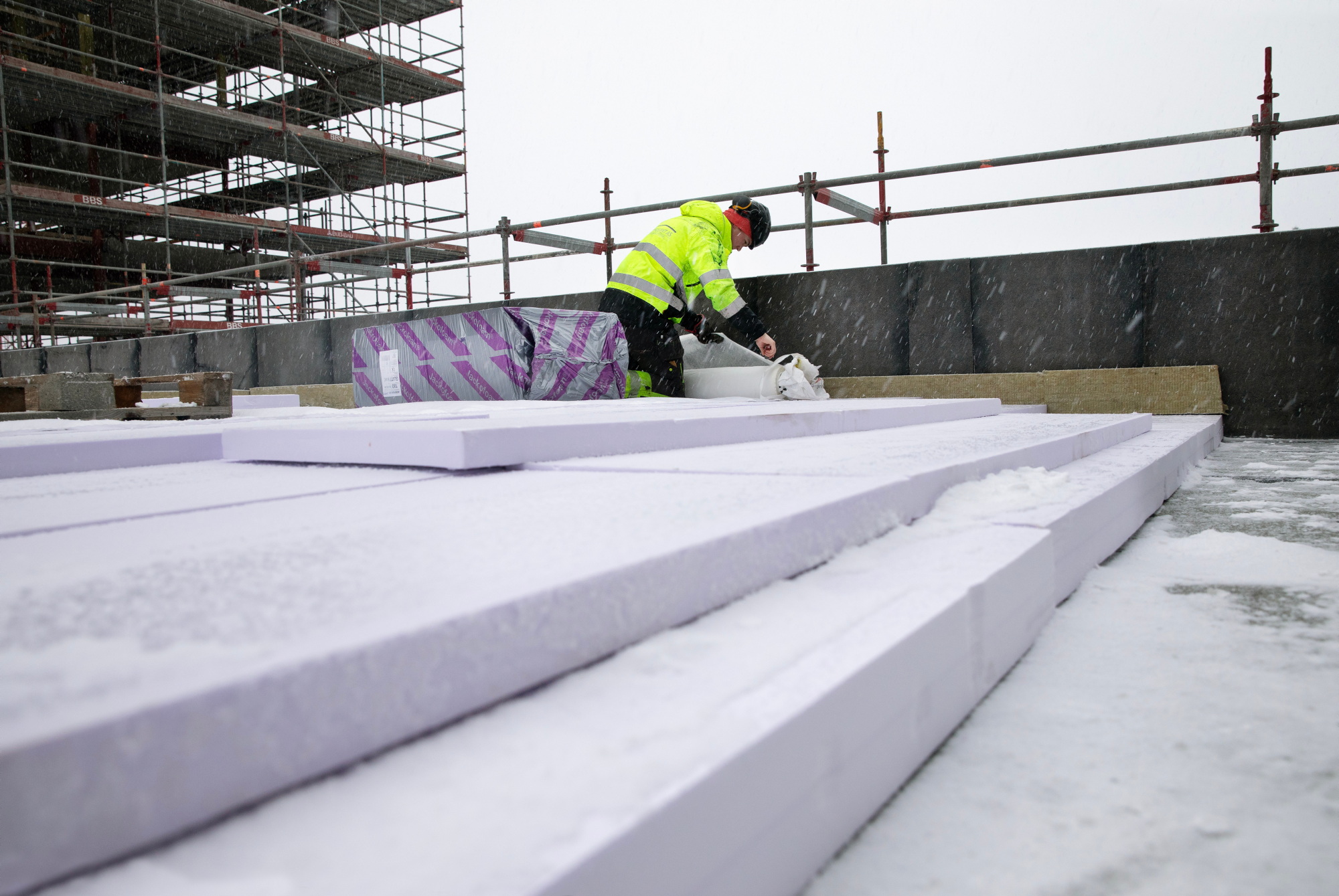
Products, buildings and supply chains depend on materials that perform as intended. At BEWI, keeping materials in use is part of delivering that performance. Recycled and non-fossil materials now account for 34 per cent of BEWI’s raw material consumption, showing that circularity can be integrated into production at scale.

“Access to recycled materials will become increasingly important in the years ahead. By building collection and recycling capabilities, we are creating a stronger foundation for both our own product range and our customers’ future needs,” says Camilla Bjerkli, Chief Sustainability Officer at BEWI.

Many customers are looking for ways to reduce their environmental footprint while responding to growing requirements related to recycled content, emissions and documentation. BEWI offers solutions with higher recycled content and verified environmental data through Environmental Product Declarations (EPDs). This helps customers make informed choices and supports their own environmental and regulatory ambitions.

Collaboration keeps materials in use

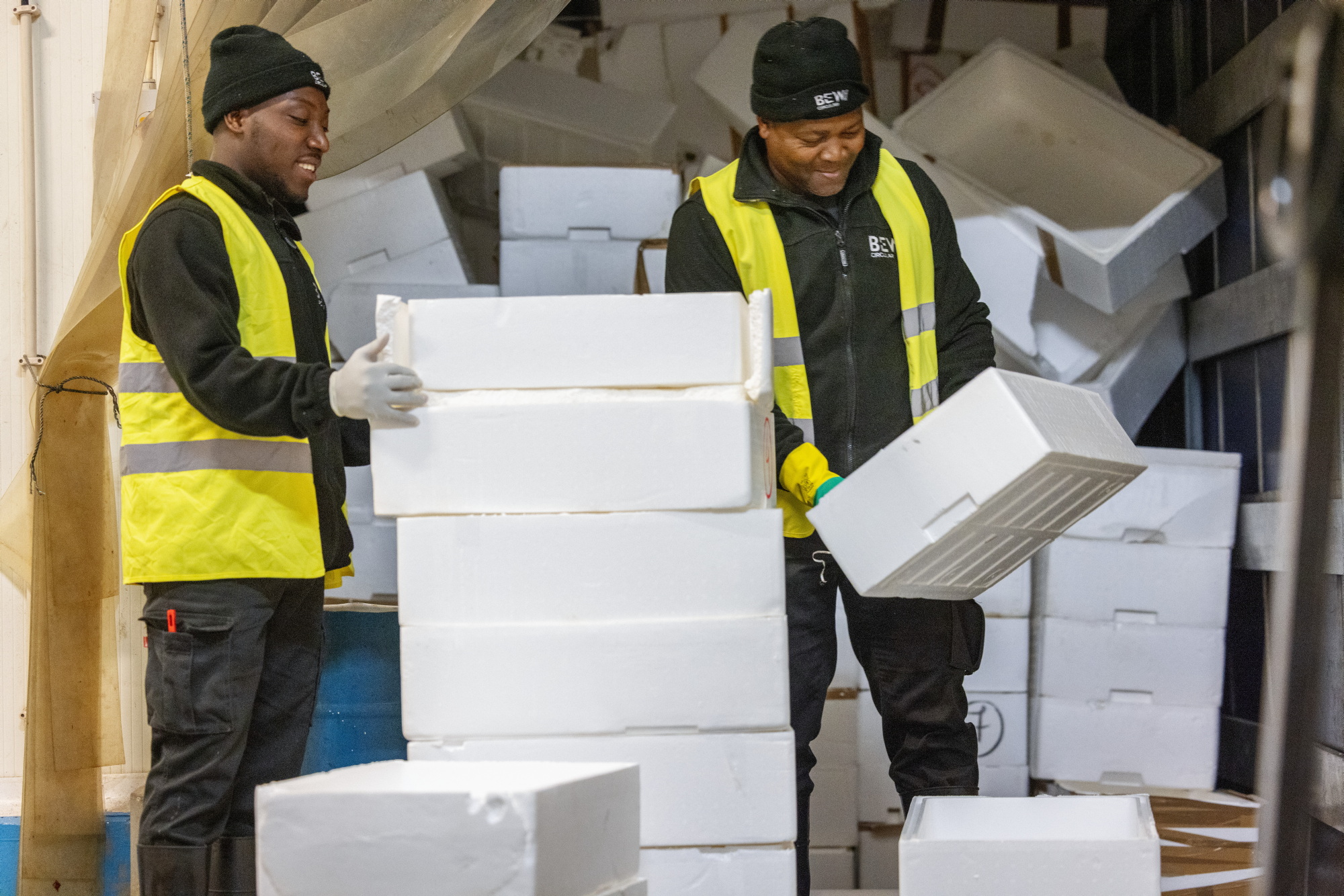
The circular model depends on collaboration. BEWI works with customers, waste management companies and collection partners to recover used EPS and return it to productive use. A good example is the collaboration with the food producer Bidfood in Czechia. Used EPS fish boxes are collected after use and returned to the recycling process, where the material is transformed into new products. The approach supports more efficient use of materials, reduces demand for virgin resources and contributes to lower environmental impact across the value chain.

.